Munich to Venice Road Trip Through the Alps: 5-Day Route
A Munich to Venice road trip is best driven over five days: one night in Innsbruck, two nights in Cortina d'Ampezzo and a final day in Venice without the car. The route covers roughly 560 kilometres and around seven hours of driving, crossing the Brenner Pass and the Dolomites on the way. No single day needs more than three hours at the wheel. If you only need to get from Munich to Venice, the direct motorway takes about five and a half hours. Drive this version when the mountains are the reason you are going.
Munich to Venice road trip at a glance
| Day | Route | Distance | Driving time |
|---|---|---|---|
| 1 | Munich to Innsbruck | ~165 km | ~1 hr 50 min |
| 2 | Innsbruck to Cortina via the Brenner Pass and Val Pusteria | ~165 km | ~2 hr 45 min |
| 3 | Cortina Dolomites loop | ~70 km | ~2 hr |
| 4 | Cortina to Venice | ~160 km | ~2 hr 15 min |
| 5 | Venice on foot | 0 km | none |
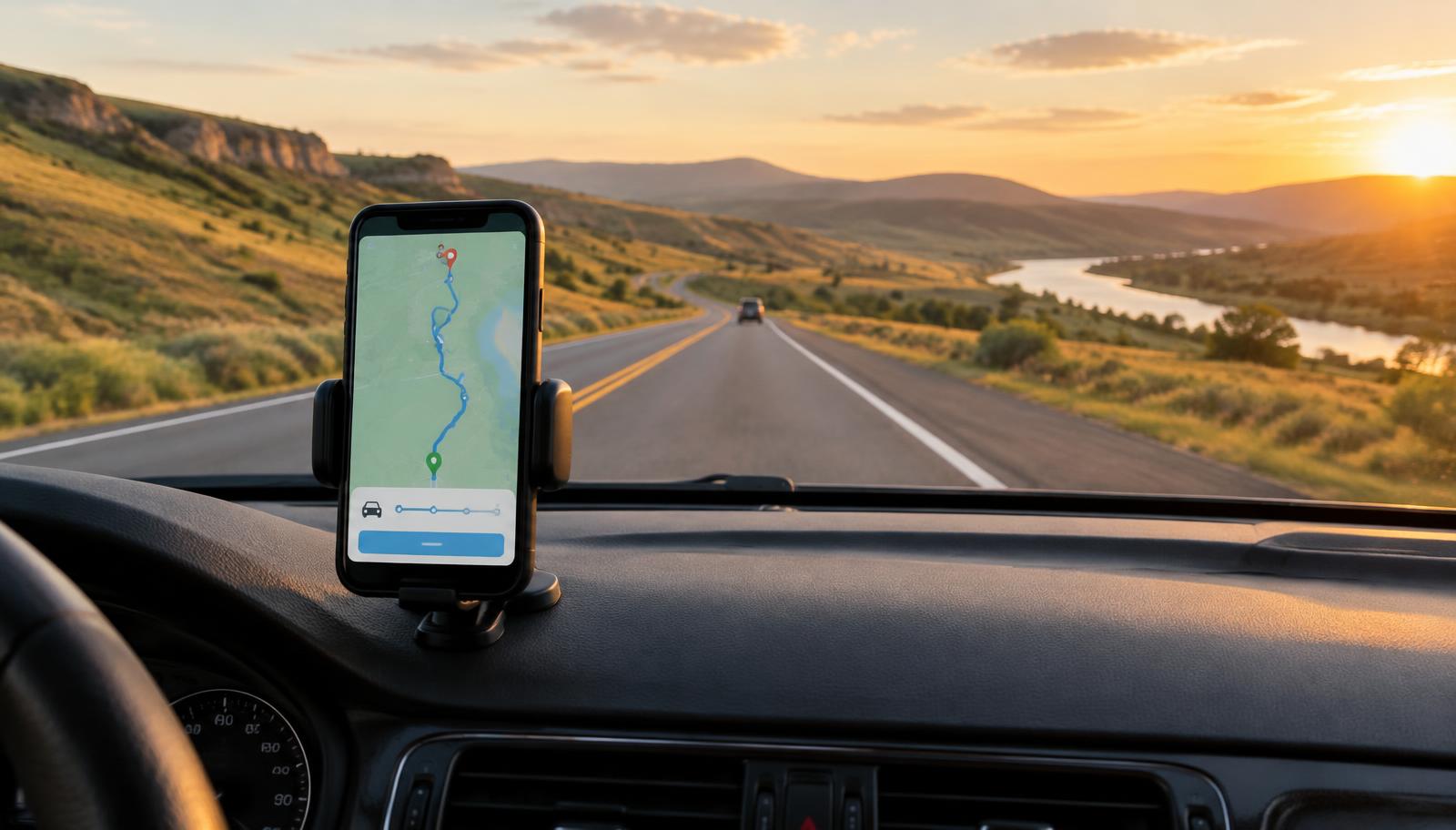
The total is about 560 kilometres. Mountain times are estimates, not promises: summer traffic at the Brenner, pass closures and photo stops all stretch the day. You can see the route on the map above, compare it with other Community Routes, or rebuild it around your own dates in the Tripvora road trip planner.
Is five days enough for Munich to Venice by car?
Yes, if you accept that you are sampling the Alps rather than covering them. Five days gives you one easy crossing day, one proper day in the Dolomites and a relaxed descent to the coast. What it does not give you is slack for bad weather. If a pass is closed or cloud sits on the peaks, you have no spare day to wait it out.
Our honest recommendation: if you can find a sixth day, spend it as a second full day in the Dolomites, not in Venice. Venice rewards one well-planned day. The mountains reward patience.
Day 1: Munich to Innsbruck
Leave Munich on the A8 toward Salzburg, then take the A93 south at the Inntal junction toward Kufstein and the Austrian border. It is a short, easy motorway day, which is exactly what you want before the mountain roads.
Before you cross into Austria, buy a motorway vignette. Austria requires one on its motorways, and the digital version is sold online by ASFINAG. Buy it in advance: the digital short-term vignette is only valid from the date you select, and fines for driving without one are steep.
Arrive in Innsbruck by lunchtime. Walk the old town to the Golden Roof, then take the Nordkette cable car from the centre if the sky is clear. You go from city streets to more than 2,000 metres in under half an hour, which is a good preview of what the next days look like.
Day 2: Innsbruck to Cortina over the Brenner Pass
This is the day most people imagine when they picture the drive. From Innsbruck, the A13 Brenner motorway climbs over the Europabrücke toward the Italian border. The A13 has its own separate toll on top of the vignette, so budget for it.
At the Brenner Pass you cross into Italy with almost no ceremony. Resist the urge to stay on the A22 all the way south. Instead, leave at Bressanone (Brixen) and follow the SS49 east through Val Pusteria, then turn south at Dobbiaco (Toblach) on the SS51 toward Cortina. The valley is wide and green, and the Dolomites appear gradually rather than all at once.
A good lunch stop is Brunico or the shore of Lago di Dobbiaco. If you arrive early enough, Lago di Braies is a short detour, but in peak summer access by car is restricted and pre-booking is often required. Check the current rules before you plan around it.
Day 3: A Dolomites loop from Cortina
Keep your car in Cortina as a base and drive one loop instead of trying to see everything. Two good options:
- Passo Giau and Passo Falzarego. A classic loop of hairpins, high meadows and some of the most photographed views in the range. Drive it early; by late morning, cyclists and motorbikes fill the road.
- Tre Cime di Lavaredo. The toll road to Rifugio Auronzo gets you close to the three famous peaks, and the loop walk around them takes around three to four hours. The toll is expensive and the car park fills early in summer, so arrive at opening time.
Either option is about two hours of actual driving. The rest of the day is for walking, not steering. Mountain driving is slower and more tiring than the kilometres suggest, which is why we keep this day short. Our guide on how many hours you should drive per day explains why that matters.
Day 4: Cortina to Venice
Follow the SS51 south through the Boite valley toward Belluno, then join the A27 motorway to Mestre. The landscape flattens quickly: within an hour you trade peaks for vineyards and the Veneto plain.
The critical point is where you leave the car. You cannot drive into Venice itself. Your options are:
- Piazzale Roma or Tronchetto, the car parks at the edge of the historic city. Convenient but among the most expensive parking in Italy.
- Mestre, on the mainland. Cheaper hotels and parking, with frequent trains and buses into Venice in around ten minutes.
For most travellers, Mestre is the sensible choice. If you are returning a rental car, consider dropping it at Venice airport or Mestre station on this day and finishing the trip without it.
Day 5: Venice without the car
Spend the final day on foot and by vaporetto. Start early at Rialto or San Marco before the day visitors arrive, then get deliberately lost in Cannaregio or Castello, where the city feels lived in. Venice also charges an access fee to day-trippers on certain dates; overnight guests are generally exempt, but check the current rules before you go.
How much does a Munich to Venice road trip cost?
These are planning ranges for two people sharing a mid-size petrol car, not quotes. Prices change by season.
- Fuel (~560 km at 7 L/100 km)
- ~40 litres, roughly €70–80
- Austrian vignette
- one short-term vignette
- Brenner (A13) toll
- separate from the vignette
- Italian motorway tolls
- A22 and A27 sections
- Tre Cime toll road (optional)
- one of the priciest in the Alps
- Venice / Mestre parking
- Mestre is far cheaper than Piazzale Roma
We have deliberately left out exact toll and parking figures because they change yearly. Check ASFINAG for Austrian tolls and Autostrade per l'Italia for Italian ones before you leave. For a full budgeting method, see our road trip cost calculator guide.
When is the best time to drive from Munich to Venice?
Late June to mid-September is the reliable window for the high Dolomite passes, which can close or require winter equipment outside summer. July and August bring the best weather but also the heaviest Brenner traffic and full car parks. Early September is our pick: passes are open, the light is softer and the crowds have thinned.
In winter, the Brenner motorway stays open, but Cortina becomes a ski town and many high roads are closed. Winter tyres or chains are legally required on many Alpine roads in both Austria and Italy during the cold season.
Common mistakes on this route
- Forgetting the vignette. Austria checks, and the fine is far more than the vignette.
- Staying on the A22 the whole way. It is fast, but you miss Val Pusteria and arrive in the Dolomites through the least interesting approach.
- Planning a pass drive for the afternoon. Clouds build over the peaks in summer, and afternoon storms are common.
- Driving into Venice. You can't, and the closest parking is expensive. Decide on Mestre or Piazzale Roma before you set off.
Plan your own Munich to Venice drive
Every day above is a starting point. Swap Innsbruck for a night in Bolzano, add Lake Garda on the way down, or stretch Cortina to three nights. Open the Tripvora planner, set Munich as your starting point, add your stops, and it will show each day's distance, drive time and fuel cost so you can see instantly whether a day is overloaded. Looking for something shorter? Our 5-day road trip planning guide covers the same pacing principles for any route.