
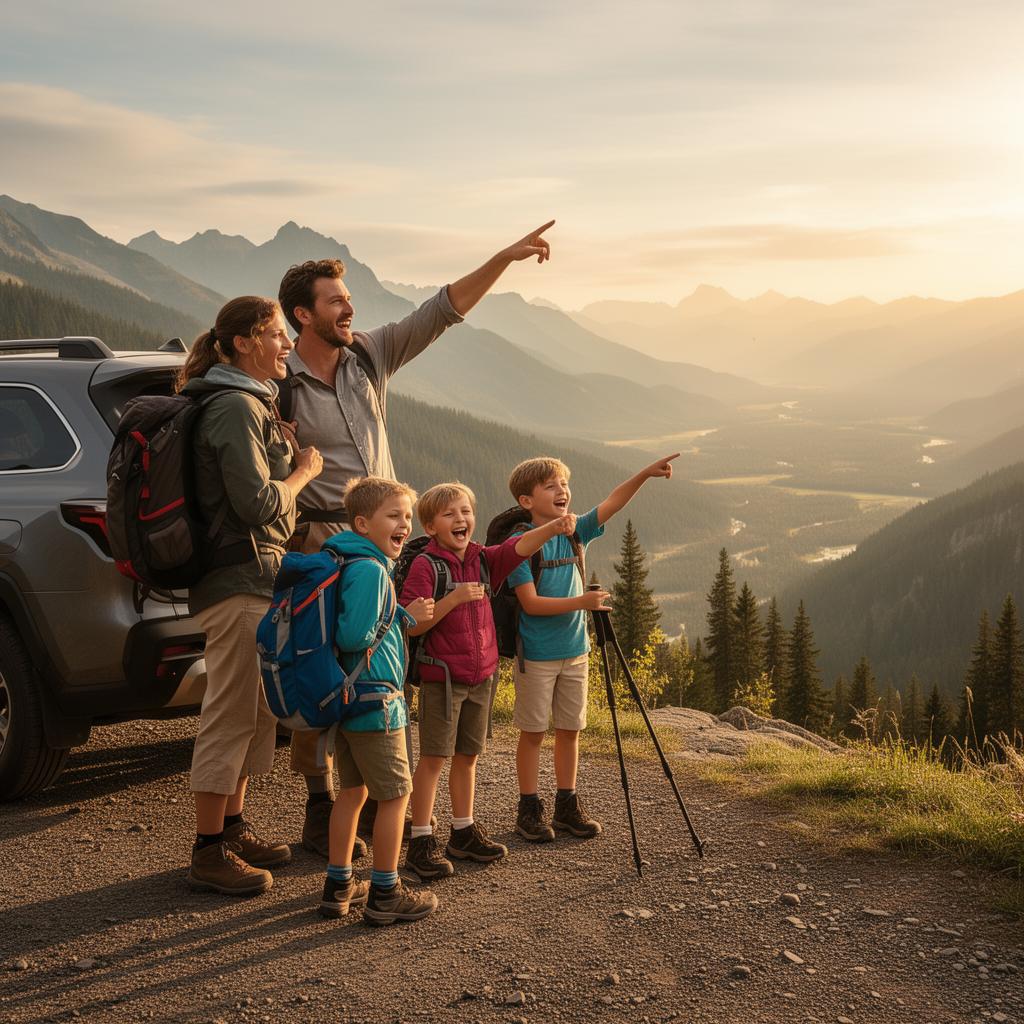
Road Trips Are Better with Kids (Really)
Yes, it sounds counterintuitive. But family road trips create the kind of memories that last a lifetime — the silly songs, the unexpected detours, the look on your kid's face when they see the Grand Canyon for the first time.
The secret isn't spontaneity — it's planning. A well-planned family road trip runs smoothly, stays on budget, and leaves room for the magic moments. Here's how to do it right.
Choosing the Right Route
Not all road trips are family-friendly. The best family routes have:
- Frequent stops — kids need to move every 2–3 hours
- Variety — mix nature, towns, beaches, and quirky roadside attractions
- Moderate daily driving — aim for 3–4 hours of driving per day maximum
- Safe, well-maintained roads — avoid remote unpaved routes with young kids
Top family-friendly routes:
- Pacific Coast Highway (short segments between beach stops)
- Blue Ridge Parkway (picnic areas and short hikes everywhere)
- Florida Keys (beaches, snorkeling, wildlife)
- Utah's Mighty 5 (kids love the alien landscapes)
Check out our best road trips in the USA for 2026 for more route inspiration.
The Golden Rule: Plan Your Stops
The biggest mistake families make is trying to drive too far in one day. Kids don't care about "making good time." They care about the giant dinosaur statue, the river where they can skip rocks, and the ice cream shop in that cute little town.
Use Tripvora to plan stops every 1.5–2 hours. Our AI suggests family-friendly attractions, rest areas, and parks along your route — so you never have to hear "are we there yet?" for more than 90 minutes.
Keeping Kids Entertained
Ages 2–5 (Toddlers and Preschoolers)
- Magnetic drawing boards
- Sticker books
- Audiobooks and songs (Raffi still works)
- Window clings
- Snack cups (the slow-release kind)
Ages 6–10
- Road trip bingo or scavenger hunt cards
- Audiobooks and podcasts (Story Pirates is a hit)
- Travel journals for drawing and writing
- License plate game
- Tablet with downloaded movies (limit to 1–2 hours/day)
Ages 11+ (Tweens and Teens)
- Podcasts they choose themselves
- Music playlists they helped create
- Card games at rest stops
- Photography challenges (best sunset, weirdest sign)
- Helping with navigation (they feel important)
Pro tip: Create a "surprise bag" with small, wrapped activities and treats. Pull one out every time a kid handles a long stretch without complaining.
Family Road Trip Packing Extras
Beyond the standard road trip packing list, families need:
- Car seat or booster seat (check state laws along your route)
- Extra changes of clothes (accessible, not buried in the trunk)
- Wet wipes — industrial quantities
- Plastic bags for dirty clothes, trash, and carsick emergencies
- Blankets and small pillows for napping
- Sunshade for rear windows
- Portable potty for emergencies (game-changer for toddlers)
- Kid-friendly first aid additions (children's pain reliever, bandaids with characters)
Managing the Budget with Kids
Kids don't make road trips more expensive — poor planning does. Here's how to keep costs down:
Food
- Pack a cooler with sandwich supplies, fruit, yogurt tubes, and drinks
- Eat breakfast from the cooler — save restaurant meals for dinner
- Let kids pick one special meal — they'll remember the diner they chose more than the fancy restaurant you chose
Lodging
- Vacation rentals > hotels — a kitchen saves $50+/day on food, and kids get space to spread out
- Camp when possible — kids love it, and it's often free or under $30/night
- Look for hotels with pools — a free pool = hours of entertainment after driving
Activities
- National parks are the best value — $35 per vehicle, unlimited hiking, wildlife, and wonder
- Free > paid — beach days, hiking, park playgrounds, town exploring
- One paid activity per day max — aquarium, boat tour, mini golf
Budget example: 7-day family road trip (2 adults + 2 kids)
- Fuel (500 miles)
- $100
- Lodging (3 camping + 4 vacation rental)
- $700
- Food (mix of cooler and restaurants)
- $650
- Activities
- $200
- Buffer (10%)
- $165
- Total
- $1,815
Track every dollar with Tripvora's built-in budget planner. Add estimated costs to each stop and see your daily totals update automatically.
Safety Tips for Family Road Trips
- Share your itinerary — send your Tripvora trip plan to grandparents or a friend
- Check car seats — ensure they're properly installed and appropriate for your child's age and weight
- Pack a roadside emergency kit — flares, jumper cables, flashlight, first aid
- Drive during nap time — schedule the longest drive segments when kids normally sleep
- Know the hospitals — Google "hospitals near [route]" for peace of mind
- Hydrate — kids dehydrate faster than adults, especially in warm climates
Making Memories That Matter
The best family road trips aren't the ones that go perfectly — they're the ones where something unexpected happens and everyone laughs about it later. Leave room in your itinerary for detours, spontaneous stops, and "let's just see what's down that road" moments.
The planning is what makes the spontaneity possible. When the route, budget, and stops are handled, you're free to be present and enjoy the ride.
Plan Your Family Road Trip
Tripvora was built for exactly this kind of trip. Enter your start and end points, set your dates, and let our AI build a family-friendly itinerary with stops, costs, and daily driving estimates.
Your kids won't remember the perfectly optimized route. They'll remember stopping to see that weird giant statue. But you'll be glad the route was optimized anyway.
Start planning your family trip →
Plan a family-friendly pace
Shorter driving days are the whole trick. Use the free road trip planner to cap each day's distance, add playground and lunch stops, and see exactly when you'd arrive.
Keep reading: Ultimate road trip packing checklist · Road trip budget guide